Agriculture & Food Security
Food Insecurity Crises
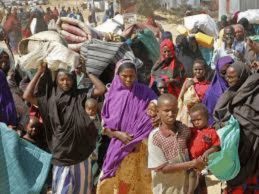
Despite having abundant arable land and vast agricultural potential, Somalia faces rising levels of food insecurity. Years of conflict, climate shocks, and underinvestment in rural development have severely weakened agricultural production and market systems. Today, the country relies heavily on food aid, much of which is distributed in refugee and internally displaced persons (IDP) camps located around major urban centers. Somalia spends an estimated $1.5 billion annually on food imports, yet domestic production meets only about 20% of national food demand. This growing dependency underscores the urgent need to revitalize rural economies, invest in smallholder farmers, and strengthen national food systems to achieve self-sufficiency and resilience.
Rural Mass Exodus
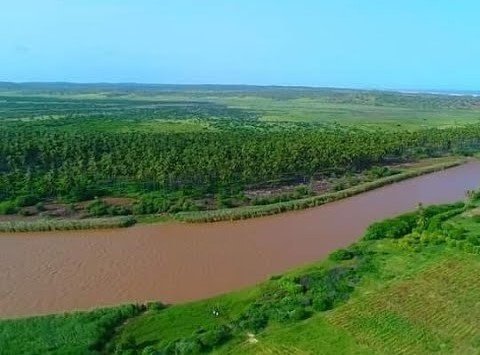
Rural communities in Somalia are facing a deepening crisis driven by both human-induced challenges and climate change. Years of erratic weather patterns, prolonged droughts, floods, and land degradation have severely undermined traditional farming and pastoralist livelihoods. Climate change has accelerated soil depletion and water scarcity, leaving families unable to produce enough food or sustain their herds. At the same time, widespread insecurity — including armed conflict, violent extremism, and weak state presence — has made many rural areas unsafe
Poverty Problems
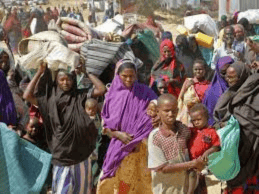
The combination of very high poverty rates and worsening food insecurity indicates that a large portion of the population is not just poor in income terms, but deprived in multiple dimensions (education, health, living standards, etc.).
Rural, nomadic, and displaced populations are disproportionately affected — which aligns with your interest in rural community development and resilience.
The scale of food insecurity, especially among children, suggests urgent need for interventions that go beyond short-term humanitarian aid and address root causes: production systems, climate resilience, rural infrastructure, market access, etc.
The fact that so much of the food is purchased rather than self-produced underscores vulnerabilities linked to market disruptions, supply chains, climate shocks and dependency on imports.


Our Solutions
Restoring Productive Landscapes for livelihoods- Rehabilitating degraded rangelands, forests, and watershed, increase soil fertility, restore grazing capacity
Enhancing Food Security - enabling small farmers and producers capacity and resilience for climate change.
Empowering women and youth in restoration efforts - promoting inclusive participation of women and youth in development projects,
Promote Climate -Smart Agriculture - train smallholders in climate-resilient practices, such as crop rotation, mixed cropping, composting and managing grazing lands.
Strengthening Water Security through ecosystem restoration - rehabilitating watershed, protecting riparian areas, rainwater harvesting.
Promoting rural enterprises - support small producers to develop eco-friendly businesses such as beekeeping, tree nurseries, fruit drying.
Our approach recognizes that poverty in Somalia is deeply linked to environmental degradation, recurrent droughts, and the collapse of rural livelihoods. To break this cycle, we promote Nature-Based Solutions (NBS) — actions that work with and restore ecosystems to meet human needs while enhancing resilience to climate change. Here is how we address poverty:
Our History
© 2025. All rights reserved.
Our Work
Recent Blogs
Our Vision
Our Mission
Food Security & Agriculture Development
Building Resilience
Local Economic Development
Program Monitoring & Evaluation
Planning Natural Resource Management
Climate Change Mitigation
Environmental & Social Impact Assessment
Project Management
Flagship Projects
Rural Blue Economy