
Rural Economic Corridors
Emerging Development Approach
Rural economic corridors are an emerging and transformative approach of rural development in Africa, aimed at addressing persistent challenges such as poverty, food insecurity, unemployment, and regional inequality. Unlike traditional development models that focus on isolated projects, the corridor approach promotes integrated, spatially coordinated investments that link rural production areas with markets, services, and infrastructure.


Across Africa, countries such as Tanzania and Mozambique have demonstrated how rural corridors can unlock agricultural potential, integrate smallholder farmers into value chains, and attract private sector investment. These corridors combine investments in transport, irrigation, energy, and digital connectivity with targeted support for agriculture, agro-processing, and rural enterprises, creating more productive and competitive rural economies.
Reviving Somali Rural Economic Corridors
Reviving rural economic corridors represents a strategic and timely approach to restoring rural economic vitality, strengthening livelihoods, and promoting inclusive growth in Somalia rural regions.
Rural economies were historically organized through interconnected systems of production, trade, and settlement that functioned as informal economic corridors. However, years of conflict, underinvestment, and environmental pressures have disrupted these systems, leading to weakened market linkages, declining productivity, and increased rural poverty.


Benefits of Rural Economic Corridors
Equitable Development
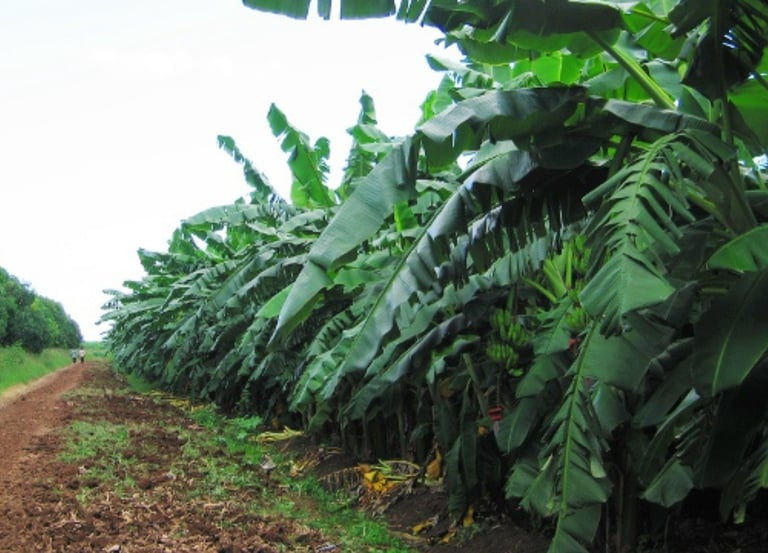
Increased agricultural production and diversified crop and fish outputs will strengthen national food supply.
Improved post-harvest management, irrigation, and value chain development will reduce losses and enhance access to nutritious food for urban and rural populations.
Reducing Out-Migration
Expanded economic opportunities and improved rural services will reduce the need for migration to urban centers.
Stronger local economies will promote stable and self-reliant communities
Youth employment and engagement on local economic prodction.
Enhancing Food Security
Ensuring that investments and benefits are fairly distributed across regions, communities, and social groups, including marginalized and underserved populations.
Promoting inclusive participation in decision-making processes, particularly for smallholder farmers, women, and youth.
Reducing regional disparities by strengthening rural economies and improving access to infrastructure, services, and markets.Increased agricultural production and diversified crop and fish outputs will strengthen national food supply.
Our History
© 2025. All rights reserved.
Our Work
Recent Blogs
Our Vision
Our Mission
Food Security & Agriculture Development
Building Resilience
Local Economic Development
Program Monitoring & Evaluation
Planning Natural Resource Management
Climate Change Mitigation
Environmental & Social Impact Assessment
Project Management
Flagship Projects
Rural Blue Economy