Rural Communities At Tipping Point
Disproportionally affected by Climate Change, Poverty, Instability
Abdi Siyad Omar
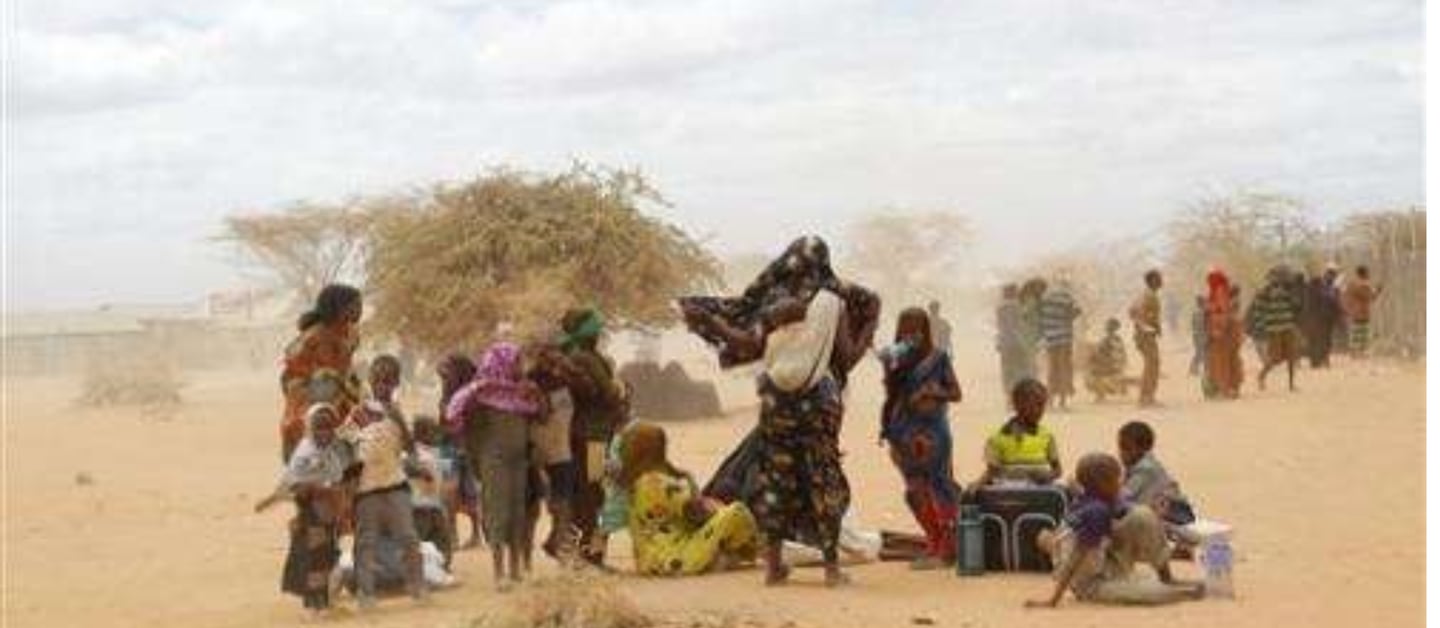
Rural communities in Somalia are facing a deepening crisis driven by both human-induced challenges and climate change. Years of erratic weather patterns, prolonged droughts, floods, and land degradation have severely undermined traditional farming and pastoralist livelihoods. Climate change has accelerated soil depletion and water scarcity, leaving families unable to produce enough food or sustain their herds. At the same time, widespread insecurity — including armed conflict, violent extremism, and weak state presence — has made many rural areas unsafe and ungovernable. Poor infrastructure, lack of access to markets, limited healthcare and education, and insecure land tenure have further marginalized rural populations. With youth facing high unemployment and few opportunities, many are migrating to cities or across borders in search of safety and better livelihoods. As rural economies collapse under the weight of poverty, conflict, and environmental stress, mass displacement has become the norm. The internal displacement and rural exodus reflect a broader breakdown of rural systems, with communities caught at the crossroads of survival and abandonment.
To address the rural crisis in Somalia, a comprehensive and integrated set of solutions is needed—focused on restoring livelihoods, building climate resilience, ensuring security, and empowering rural populations.
First, investing in climate-resilient agriculture is critical. This includes supporting smallholder farmers with drought-resistant seeds, sustainable land management practices, innovative irrigation systems, and training in climate-smart farming. Strengthening local food systems and improving access to water through rainwater harvesting and watershed protection can help reduce hunger and environmental degradation.
Second, rural communities need security and governance reforms. Community-based peacebuilding eff orts, local conflict resolution mechanisms, and inclusive governance structures can
help reduce violence and rebuild trust. Support for land rights, particularly for women and youth, is essential to promote stability and investment in rural areas.
Third, to counter youth migration and unemployment, rural economic development must be revitalized. This includes vocational training, support for rural enterprises and cooperatives, microfinance and digital financial inclusion, and the development of agro-processing and off -farm employment opportunities. Investments in infrastructure—such as rural roads, solar energy, ICT, health clinics, and schools—are vital to connect rural areas with markets and services.
Fourth, nature-based solutions should be used to restore degraded landscapes, protect water sources, and create green jobs. Programs like afforestation, agroforestry, and rangeland restoration not only help mitigate climate change but also provide economic opportunities. Lastly, there must be a renewed commitment to community-led planning, where rural populations are meaningfully involved in designing and implementing development initiatives, ensuring solutions are tailored to local realities and priorities. These actions together form the foundation Somalia Rural Development Center—restoring dignity, opportunity, and sustainability to Somalia rural communities.
About the author
Abdi Siyad Omar is an Architect and Urban and Regional Planner with over 25 years of international experience in land, natural resources, and environmental planning. He has worked with the United Nations and the World Bank on major infrastructure and water projects in Somalia and Angola, Afghanistan, Pakistan and with Alberta Environment in Canada on land and water management. His work focuses on sustainable development, project management, evaluation and monitoring, Environmental and social impact assessment, climate resilience, and community-driven planning.
Our History
© 2025. All rights reserved.
Our Work
Recent Blogs
Our Vision
Our Mission
Food Security & Agriculture Development
Building Resilience
Local Economic Development
Program Monitoring & Evaluation
Planning Natural Resource Management
Climate Change Mitigation
Environmental & Social Impact Assessment
Project Management
Flagship Projects
Rural Blue Economy