
Fighting Over Scare Resources
Competition over scarce resources often fuels tribal conflict, undermines livelihoods, and deepens poverty
Abdi Siyad Omar
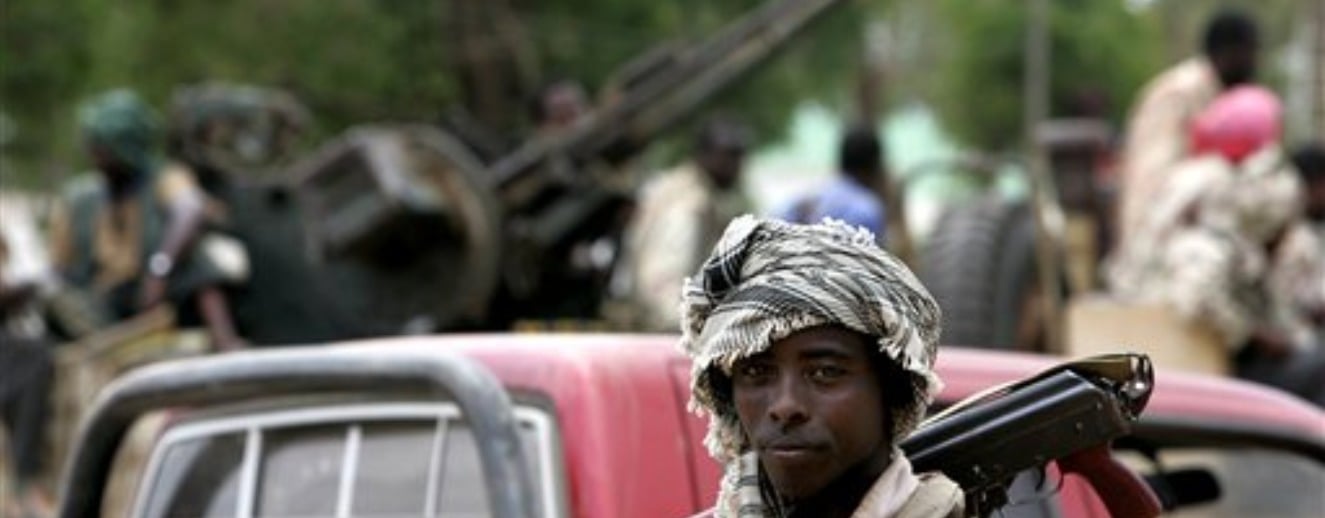
Recent military operations carried out by the Somali National Army, in collaboration with local community groups and international partners, have successfully liberated several rural communities that were previously under Al-Shabab’s control. This achievement represents a major step toward restoring stability and governance in these regions. However, it has also triggered a rise in intra-clan conflicts among local populations as communities compete over power, resources, and local leadership.
The emergence of these internal conflicts was anticipated, as Al-Shabab had long employed a divide-and-rule strategy during their occupation. By exploiting existing clan tensions and deepening local divisions, the militant group deliberately fragmented communities, preventing them from uniting against their common enemy and weakening local governance structures.
Access to resources and grazing areas has historically played a central role in shaping the dynamics of peace and stability among Somali clans. During Al-Shabab’s occupation, some clans were granted preferential treatment, including exclusive access to resources, freedom of movement, and commercial trading opportunities. In contrast, other clans were marginalized, facing the loss of traditional grazing lands, restricted mobility, and limited access to economic opportunities. This unequal treatment deepened existing divisions and sowed lasting grievances among local communities.
The disparities and marginalization experienced by certain clans have fueled deep grievances and resentment within affected communities. These tensions are rooted in systemic inequalities that have developed and persisted over time, shaping unequal access to resources, economic opportunities, and decision-making power. Such structural imbalances continue to undermine efforts toward peacebuilding and social cohesion in post-conflict areas
Across the central and southern regions of Somalia, a troubling surge in intra-clan conflicts has emerged, taking the form of violent confrontations and widespread social disruption. Revenge killings have notably escalated, often fueled by longstanding grievances, unresolved disputes, and personal vendettas. These cycles of retribution are eroding community trust and undermining the fragile stability achieved through recent security gains.
Illegal roadblocks have become a common tactic used by various clans to assert control and territorial ownership. These blockades create not only physical barriers but also significant economic disruptions, restricting the movement of people, goods, and services. As a result, trade and local markets are hindered, communities experience shortages of essential supplies, and an atmosphere of insecurity and fear spreads across the region. This practice further entrenches division and weakens the prospects for reconciliation and regional stability.
The emergence of these conflicts underscores the urgent need for dialogue and locally driven conflict resolution mechanisms. Without addressing the underlying causes—such as historical grievances, competition over resources, and lack of inclusive governance—there is a real risk of further erosion of social cohesion and escalation of violence. This growing instability not only threatens peace and recovery in rural areas but also undermines the efforts of the Somali National Army and its international partners to consolidate security gains and defeat Al-Shabab.
The current state of internal chaos in rural areas, marked by rampant violence and widespread culture of road pirates, may create an environment in which individuals may applaud for the return of Al-Shabab’s rigid rule. Often brutal, they might be viewed as preferable and perceived as the rule of lesser evil than the salvage clans wars and too many road pirates.
About the author
Abdi Siyad Omar is an Architect and Urban and Regional Planner with over 25 years of international experience in land, natural resources, and environmental planning. He has worked with the United Nations and the World Bank on major infrastructure and water projects in Somalia and Angola, Afghanistan, Pakistan and with Alberta Environment in Canada on land and water management. His work focuses on sustainable development, project management, evaluation and monitoring, Environmental and social impact assessment, climate resilience, and community-driven planning.
Our History
© 2025. All rights reserved.
Our Work
Recent Blogs
Our Vision
Our Mission
Food Security & Agriculture Development
Building Resilience
Local Economic Development
Program Monitoring & Evaluation
Planning Natural Resource Management
Climate Change Mitigation
Environmental & Social Impact Assessment
Project Management
Flagship Projects
Rural Blue Economy