Rural Education - Forgotten Foundation for Peace Building
A Call for National Strategy
Highlights
Somalia has one of the lowest primary school enrollment rates in Africa, with gross enrollment estimated around 20-30%, compared with over 100% in Kenya, about 95% in Tanzania and over 90% in Ethiopia.
Somalia Federal Government allocates about 7 to 8% of its annual budget to education, which translates about 0.2% of the country’s GDP, While Kenya allocates 25% of the annual budget or over 6% of the GDP (UNESCO 2024).
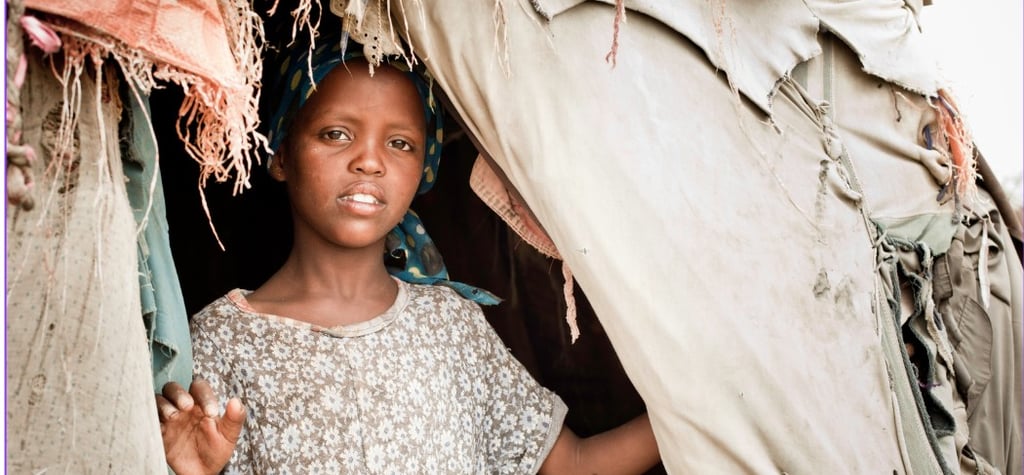
The education crisis is most severe in rural communities, where fewer than 10% of children are enrolled in formal education (Geneva Global Hub 2025)
The education gap is more alarming when measured with number of years of schooling. In rural areas, children attend formal education on average less than 2 years, compared to 9 to 10 years in Ethiopia and 11 to 12 years in Kenya and Tanzania (IMF Library 2024)
Current efforts of education investment continues to be concentrated in the Benadir region and state capitals, while rural communities remain underserved and their children are left behind.
World Bank estimated that over 3 million Somalia children are not attending formal education.
.
Somalia cannot achieve lasting peace and prosperity, while million of its rural children remain excluded from the opportunity of education. The country need a collective and coordinated national effort to make rural education a nation priority for poverty alleviation, building resilient communities and inclusive development.
Rural Education Context
For the purpose of this blog, rural communities refers to villages, small towns and secondary cities outside the Benadir region and the State capitals, where current education investment are concentrated. Historically, access to education was equitably distributed across the country. Primary schools were available in villages and small towns, complemented with boarding secondary schools located in district centers. In some regions, this interconnected education system was established during the colonial period. The Military Government later expanded across all regions and providing free access to education to rural children. The Military Government also introduced compulsory primary school education policy to increase enrollment and expand access to learning across the country. The formal education system was complemented with adult education programs aimed at improving literacy and numeracy among farmers and nomadic communities. These policy efforts have increased the country's literacy rate to 55% during the 1970s and 1980s. Today, the country’s literacy rate was estimated about 54.12% which is significantly lower than the 94% literacy rate of Kenya (GEORANK 2026).
Rural education was disproportionately affected by the civil war. Educational infrastructure was largely destroyed, teachers were persecuted or displaced, and many fled to major urban centers or outside the country, leaving rural communities without access to formal education. Although the country has made progress in rebuilding its education system, most investments have been directed toward major urban centers, while rural communities continue to face limited access to schools, teachers, and learning resources.
The few schools that exist in rural areas are largely operated by private providers or civil society organizations. However, high school fees remain a major barrier to accessing formal education for many families. Meanwhile, the public education system manages less than 4% of the country’s primary and secodary schools (IMF Library 2024) , leaving the majority of children dependent on private education they often cannot afford.
Rural Education Matters
Rural communities constitute approximately 50% of the country’s population, contribute about 60% of the GDP, 80% employment and generate nearly 93% of export earnings (World bank & FOA 2018). Yet, despite their vital economic contribution, they remain the most underserved in access to quality education.
Rural education matters for poverty alleviation and food security. Rural education builds foundational human capital central to poverty alleviation and food security. Education equips rural youth with skills needed to participate in market based economy, replacing subsistence living condition with high-value and market oriented agriculture practices. Education enable rural youth to break the intergenerational cycle of poverty by equipping them with skills and opportunities for better livelihoods.
Rural education matters for local economic development. Education drives local economic development by empowering rural youth with knowledge and skills to create business enterprises, improve productivity and adapt modern technology. Rural education also reduces the outmigration of young people to major urban centers or abroad by enabling them to build a productive livelihoods within their communities.
Rural education is essential for building climate-resilient communities. It enables rural populations to adopt sustainable land and natural resource management practices, strengthen their ability to adapt to climate change, and protect the ecosystems that support their livelihoods.
Rural education is a foundation for peace and stability. When rural communities have access to education, people are more likely to resolve their disputes through dialogue, negotiations and share-problem-solving rather than conflict. Rural education is a means to reduce tribal wars over scarce resources.
Rural education is the most effective investment that Somalia can make to achieve a sustainable development. Investing rural education has ripple effects in poverty reduction, restoring peace and stability, promoting local entrepreneurship and local economic development, reducing outmigration of young people, as well as building resilient communities. Rural education is the most powerful force to transform rural communities. It empower rural people with knowledge and skills for better livelihoods.
A call for National Strategy
A comprehensive national strategy for rural education is urgently needed across the country. The strategy should focus on transforming rural education by addressing long-standing gaps in funding, school infrastructure, and learning access opportunities. The strategy should also be developed collectively by federal, state, and local governments, private education providers, civil society organizations, local communities, and international development partners. Government institutions alone do not have the resources or capacity to deliver the scale of education infrastructure and services needed. A collaborative approach is essential to expand access, mobilize resources, and ensure that every rural child has the opportunity to learn.
The strategy should include adult education programs and vocational training schools to equip rural populations with the skills, knowledge, and entrepreneurial capacity needed to create livelihoods, improve productivity, and drive local economic development.
Current Efforts
Somalia education policy is guided by the Education Sector Strategic Plan (2022-2026). The strategic plan aims expanding access to education, improve learning outcomes and increase public investment. The Global Partnership for Education (GPE) support financially the implementation of the strategy with over $25 million grants. The goals of the strategy includes building the construction of new classrooms and teachers training center. While the strategy is important, it place insufficient focus on rural education, where the majority of out-off school children live.
Humanitarian organizations such as UNHCR Somalia has also developed their own Education Strategy (2025–2029) focusing on integrating refugees and internally displaced persons (IDPs) into the national education system. United Nations Children's Fund (UNICEF) Supports access to basic education, accelerated learning programs, teacher support, and education services for vulnerable children, including those affected by displacement. Education Cannot Wait (ECW), a global fund manages Multi-Year Resilience Programme in Somalia, allocating over $64 million to ensure children in active crisis zones can access safe, continuous learning. . While this efforts support the urgent education needs of vulnerable populations, their impact may be limited without stronger coordination and alignment with government institutions and broader national education priorities.
The World Bank also supports Somalia’s education sector to rebuild the national education including increased access to primary schooling and training for teachers. The Bank’s initiative also included funding for vocational training and scholarships for women and girls. In addition, the Bank’s funding have upgraded 157 schools and trained 2,600 newly recruited teachers.
Private sector and civil society organizations operate approximately 92% of Somalia's primary and secondary schools through a fee-based system. While many schools provide scholarships and financial assistance to poor children through charitable contributions such as zakat, the cost of primary education remains beyond the reach of most Somali families. As a result, millions of children, particularly those in rural communities continue to face significant barriers to accessing formal education.
Efforts and funding to expand access to education are not lacking. Yet Somalia continues to have one of the lowest gross school enrollment rates in Africa. Despite substantial investments by the government and international partners, school enrollment remains below one-third of the African average.
Interviews with education leaders indicate that Somalia's education sector has received unprecedented financial support from the international community in recent years. However, they report that these investments have not yet translated into significant improvements in school enrollment. The leaders also expressed concerns about limited transparency, weak coordination, and insufficient accountability in the management and delivery of donor-funded education programs.
Some education leaders questioned whether international partners routinely provide audited financial statements and comprehensive expenditure reports to the Federal Government of Somalia. They noted that many development partners report primarily to their own donors, who may have limited ability to independently verify implementation and outcomes on the ground. In their view, greater financial transparency, independent auditing, and joint government–donor oversight would strengthen accountability and improve public confidence in education investments.
Recommendations
Current education efforts need to shift from isolated initiatives toward a coordinated national approach involving all stakeholders and international partners. The focus should be on increasing school enrollment, expanding adult education programs, and establishing vocational training centers in regional districts to build skills, create opportunities, and support inclusive economic development.
This blog recommends:
Establish a national vision for rural education with clear goals, priorities, and actions for implementation. This shared vision would provide a common framework to guide federal, state, and local governments, education stakeholders, and international partners in coordinating their efforts, mobilizing resources, and ensuring that rural communities receive equitable access to quality education.
Engage Somalia’s private sector and diaspora community as strategic partners in expanding rural education by supporting the construction of schools, vocational training centers, and related education infrastructure. Their investment, expertise, and networks can complement public resources and accelerate access to quality education in underserved communities.
Establish a ministerial-level steering committee, including key international partners, to oversee the implementation of the national rural education strategy and ensure accountability for its performance. The committee would provide strategic direction, coordinate stakeholders, monitor progress, and ensure that investments achieve measurable improvements in education access and outcomes.
Engage local communities in the renovation of existing schools and the construction of new education facilities. Community participation will strengthen local ownership, encourage long-term maintenance, and ensure that education infrastructure reflects the needs and priorities of the people it serves.
Private education providers and civil society organizations have played a critical role in Somalia’s education system over the past three decades. Their continued participation is essential for managing and operating primary and secondary schools, particularly in areas where public education capacity remains limited. A sustainable education strategy should recognize these actors as key partners while strengthening coordination, quality standards, and accountability within the national education system.
A rural education strategy must be tailored to reflect the unique needs and opportunities of rural communities. Primary education should focus on foundational skills in science, mathematics, and digital technology, while adult education should emphasize literacy, numeracy, sustainable development, and social responsibility. Vocational training is essential for equipping young adults with practical skills, entrepreneurship capacity, and pathways to employment and local economic development.
Establish a monitoring and performance evaluation system to track progress in implementing the National Rural Education Strategy. The system should measure key indicators such as enrollment, retention, learning outcomes, teacher deployment, infrastructure development, and equity of access, ensuring transparency, accountability, and continuous improvement
About the Author
Abdi Siyad Omar is an Architect and Urban and Regional Planner with over 25 years of international experience in land, natural resources, rural development and environmental planning. He has worked with the United Nations and the World Bank on major infrastructure and water projects in Somalia and Angola, Afghanistan, Pakistan and with Alberta Environment in Canada on land and water management. His work focuses on sustainable development, project management, evaluation and monitoring, Environmental and social impact assessment, climate resilience, and community-driven planning.
Our History
© 2025. All rights reserved.
Our Work
Recent Blogs
Our Vision
Our Mission
Food Security & Agriculture Development
Building Resilience
Local Economic Development
Program Monitoring & Evaluation
Planning Natural Resource Management
Climate Change Mitigation
Environmental & Social Impact Assessment
Project Management
Flagship Projects
Rural Blue Economy