
Nature-Based Solutions
To mitigate climate impacts, alleviate poverty and create employment opportunities
Abdi Siyad
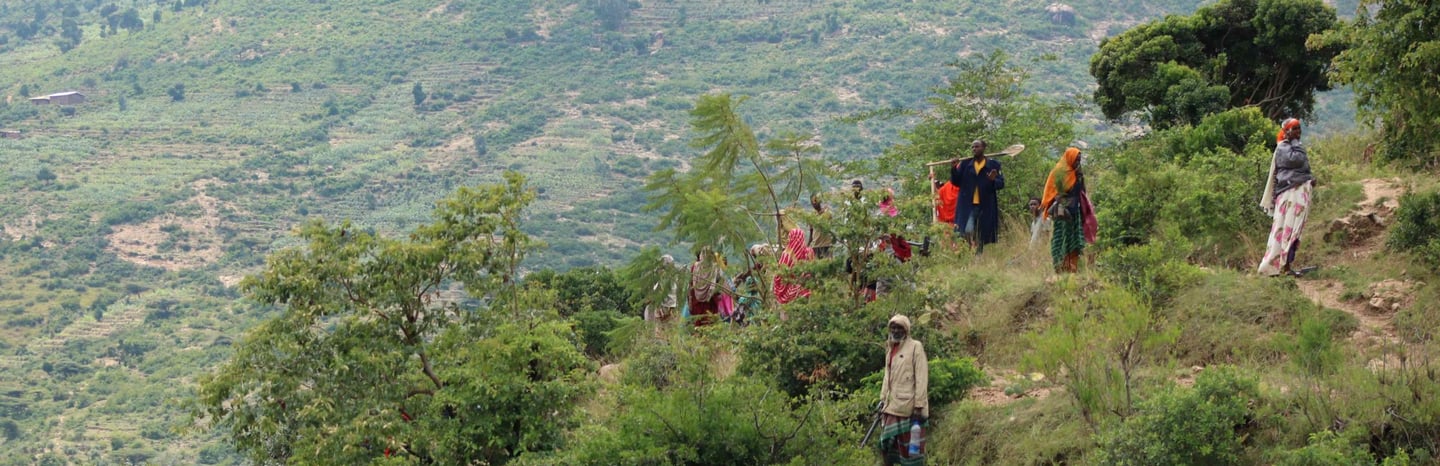
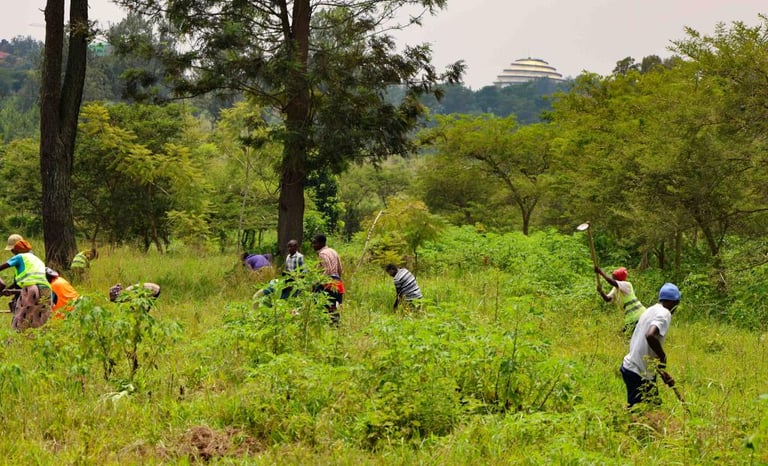
Community actions to restore watershed
What is Nature-Based Solutions
Nature-Based Solutions (NBS) are strategies that harness the power of ecosystems and the natural environment to help communities adapt to and build resilience against the impacts of climate change. They focus on preserving, restoring, and sustainably managing natural systems, delivering protection for people while providing co-benefits for biodiversity, livelihoods, and food security.
NBS have gained global recognition as cost-effective and sustainable approaches that are particularly beneficial for rural communities, which are disproportionately affected by climate risks such as droughts, floods, soil degradation, and declining agricultural productivity. By restoring ecosystems and promoting sustainable land and water management, NBS create employment opportunities, enhance food production, and help alleviate poverty, offering both economic and environmental benefits.
Moreover, NBS equip communities with knowledge, skills, and best practices to navigate climate uncertainties, ensuring long-term resilience, improved livelihoods, and strengthened social and ecological systems.
Success Stories from Sub-Saharan Countries
Here are some strong success stories and examples of nature‑based solutions (NBS) in Sub‑Saharan Africa — showing how ecosystems restoration and management are delivering climate, livelihood, and resilience gains.
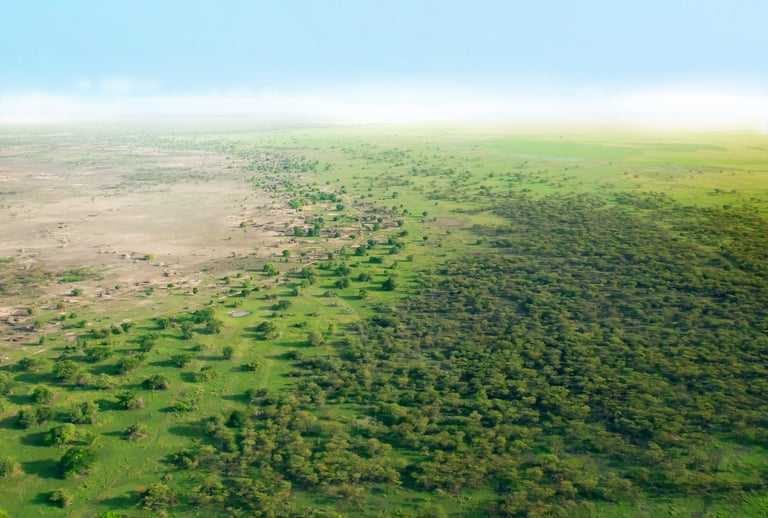
Great Green Wall Initiative (Sahel Region)
This initiative aims to restore degraded lands across the Sahel Region ( from Senega to Djibouti) through tree planning, agro-forestry, and sustainable land management
The goal is to boost rural livelihoods, strengthens food security, increase ecosystem resilience and alleviate poverty,
Reducing Urban Flooding (Nairobi, Kampala)
Urban flooding is the most pressing challenges in African cities due to poor drainage and climate change
Every year, recurrent flash-floods destroy properties, disrupt livelihoods and threaten health
NBS has illustrated a cost effective , sustainable and multi-functional approaches to manage stormwater, reduce flooding risks and improve urban resilience.
Key activities of NBS including - rainwater harvesting, green roofs, urban agriculture solutions, restoring riparian areas, creating urban forestry and tree planting.
Watershed Restoration ( Rwanda and Ethiopia)
Aims to restarting natural functions of ecosystem to improve water availability, reduce erosion and enhance resilience to climate change
Activities including tree planting, rehabilitating riparian areas, wetlands, grasslands and forests
NBS helps to stabilize soils, recharge groundwater, and regulate surface water flows to reduce flash-floods.


Summary
By leveraging the services that natural systems provide, NBS offer cost-effective and long-term pathways for resilient development, especially in rural and climate-vulnerable regions.
Reducing Poverty and Creating Green Jobs - including ecosystem restoration, watershed rehabilitation, community-based conservation. Ethiopia's Landscape Restoration Program is an excellent example of creating thousands of jobs, improved soil fertility, reduced migration pressures.
Strengthening Food Security and Agriculture Productivity - NBS solutions improve water availability, soil health, and contribute long-term food security. Farmer-managed natural regeneration of tees i Niger has restored over 5 million hectares of degraded land, increased crop yields and food security in rural areas.
Building Climate Resilience - NBS enhance the adaptive capacity of communities and ecosystems to withstand climate shocks such as droughts, floods, and storms.
Reducing Urban and Rural Flood Risks - By restoring natural hydrological systems, NBS reduce the risk and impact of floods in both rural and urban settings.
Enhancing Biodiversity and Ecosystem Services - Healthy ecosystems sustain biodiversity, which underpins all life-support systems—pollination, nutrient cycling, and water purification.
Contribute Peace Building and Social Cohesion - joint restorations projects, cooperation between communities and building trust and foster inclusive decisions-making and long-term peace dividends.
About the Author
Abdi Siyad Omar is an Architect and Urban and Regional Planner with over 25 years of international experience in land, natural resources, and environmental planning. He has worked with the United Nations and the World Bank on major infrastructure and water projects in Somalia and Angola, Afghanistan, Pakistan and with Alberta Environment in Canada on land and water management. His work focuses on sustainable development, project management, evaluation and monitoring, Environmental and social impact assessment, climate resilience, and community-driven planning.
Our History
© 2025. All rights reserved.
Our Work
Recent Blogs
Our Vision
Our Mission
Food Security & Agriculture Development
Building Resilience
Local Economic Development
Program Monitoring & Evaluation
Planning Natural Resource Management
Climate Change Mitigation
Environmental & Social Impact Assessment
Project Management
Flagship Projects
Rural Blue Economy