
Climate Change Resilience
Climate Change
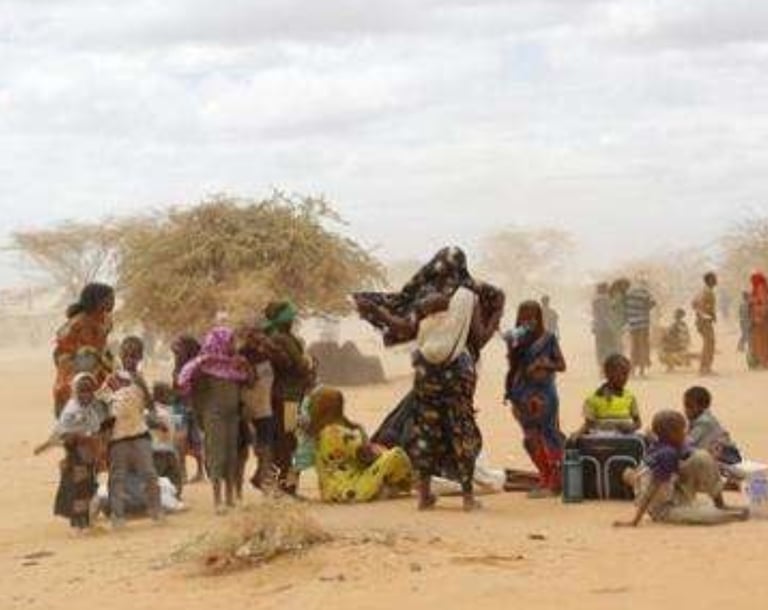
Rural communities have experienced unprecedented climate change impacts, including recurrent droughts, flash floods, dust storms, soil erosion, and severe water shortages. These challenges have devastated livelihoods — many families have lost their livestock and abandoned traditional farming practices due to the degradation of natural resources. In addition to climate factors, human-induced activities such as overgrazing, deforestation, and unsustainable land management have further accelerated land degradation and reduced ecosystem resilience.
Compounding these environmental pressures are social instability, prolonged conflict, and terrorism, which have disrupted rural economies, displaced communities, and weakened local governance. The combined effects of these interlinked crises have deepened poverty, food insecurity, and dependency, making climate adaptation, peacebuilding, and sustainable land management urgent national priorities.
Consequences of Climate Change
Climate change has had profound social and economic impacts on rural communities. Recurrent droughts and unpredictable rainfall have reduced agricultural productivity, depleted water sources, and caused widespread loss of livestock — eroding the main sources of income and food security. As livelihoods decline, families are forced to migrate in search of work, leading to displacement, urban overcrowding, and social disruption. Poverty and unemployment have increased, particularly among women and youth, while education and health outcomes have deteriorated due to reduced household income and weakened community support systems. Economically, the decline in rural production undermines local markets, reduces national exports, and increases dependence on food imports and humanitarian aid. Socially, the erosion of traditional livelihoods and community cohesion fuels conflict over scarce resources, heightening vulnerability and instability in rural areas
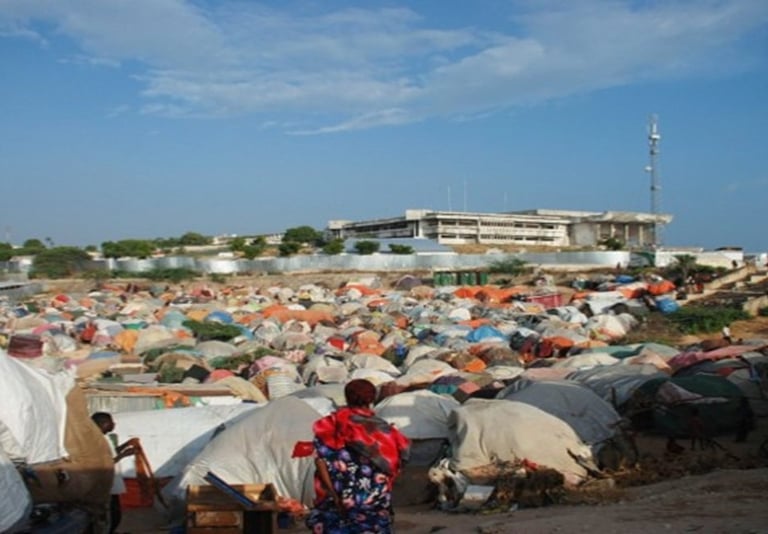
Environmental degradation has become one of the most pressing challenges facing the community, resulting in soil erosion, declining agricultural productivity, and reduced water availability. Compounding these challenges, the village has endured over two decades without effective governance, marked by conflict, displacement, widespread poverty, and extreme food insecurity. These factors, together with disease outbreaks and social collapse, have further weakened the community’s capacity to cope with and recover from drought conditions
What we do
We specialize in nature-based solutions for climate change mitigation and adaptation, helping rural communities restore their environment and build resilience. Our key areas of focus include:
a) Rainwater Harvesting – Improving community water access, enhancing soil moisture retention, and supporting ecosystem restoration through sustainable water management systems.
b) Restoration of Degraded Land – Rehabilitating degraded and desertified areas to restore productivity, prevent erosion, and enhance biodiversity.
c) Education and Awareness – Promoting environmental education, climate literacy, and community awareness on sustainable natural resource management.
d) Sustainable Farming and Grazing Practices – Supporting climate-smart agriculture, rotational grazing, and soil conservation techniques that sustain livelihoods while protecting ecosystems.
Our History
© 2025. All rights reserved.
Our Work
Recent Blogs
Our Vision
Our Mission
Food Security & Agriculture Development
Building Resilience
Local Economic Development
Program Monitoring & Evaluation
Planning Natural Resource Management
Climate Change Mitigation
Environmental & Social Impact Assessment
Project Management
Flagship Projects
Rural Blue Economy